Hey there, dog enthusiasts! Have you ever wondered why your furry friend's nose is often wet? It's a common trait among our canine companions and certainly one of their endearing features.
Actually, a dog's nose isn't just a cute button on their face; it can tell us a lot about their health. Get ready to learn some intriguing facts about your pup's nose!
Why Are Dog Noses Usually Wet?
It's a common sight for dog owners: the gentle nudge of a wet nose. Ever wondered what's behind this typical canine feature? Let's explore the reasons that keep your dog's nose moist.
Mucus Secretion
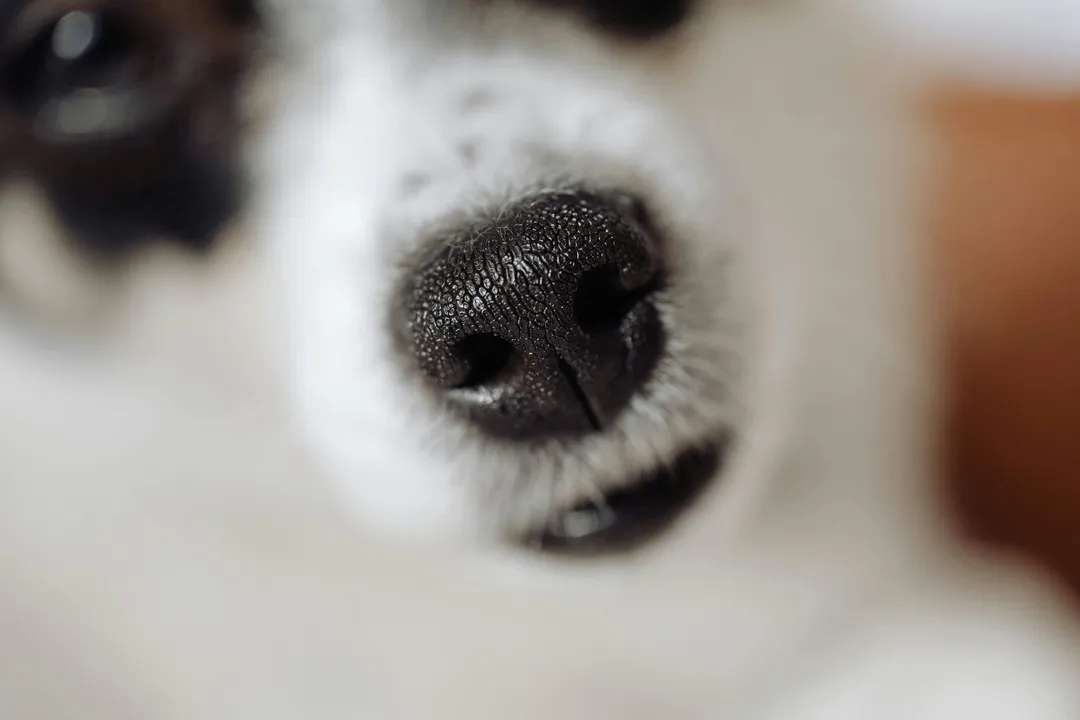
A dog's nose is a powerful tool for smelling, and the mucus on it is very important. This mucus traps scent particles, making their sense of smell even better. It's like giving dogs a special ability to experience the world differently.
Frequent Licking
Dogs frequently lick their noses, but it's not just a quirky habit. This action keeps their nose moist, crucial for enhancing their sense of smell. It's also a natural cooling mechanism, helping them regulate their body temperature.
Sweat Glands
Unlike humans, dogs don't sweat all over their bodies. They have sweat glands in their noses and paws. These nasal glands help them stay cool, especially important during those playful days in the sun.
Environment
The adventurous nature of dogs means that their snouts often end up in wet places, whether it's a water bowl, a puddle, or just the morning dew on the grass. This external moisture contributes to the typical wetness of their nose.Breed Differences
Breed Differences
Different dog breeds have varying levels of nose moisture. Dogs with shorter snouts often have wetter noses than those with longer noses. It's a small, charming difference that adds to the diversity of our canine friends.
What Does a Dry Nose on a Dog Mean?
It's important to know that a dry nose doesn't automatically mean your dog is unwell. Just like us, dogs can have variations in their nose's moisture level. A dry nose could simply be a result of lying in the sun, being in a dry environment, or just waking up from a nap.
Environmental Factors
Factors like dry air, either from weather conditions or indoor heating, can lead to a dry nose. Sun exposure is another common culprit, especially for dogs who love basking in those sunny spots.
Health Indicators
While a dry nose can be perfectly normal, it's also wise to be observant. If your dog's nose is dry and starts to crack or flake, it's important to notice. A nose that stays dry, especially if your dog also seems tired or is eating differently, might mean there's a health problem.
When to Act
A good rule of thumb is to consider the overall context. If your dog's dry nose is just one piece of the puzzle and they're otherwise acting like their usual, happy selves, it's likely nothing to worry about.
However, if there are other signs of discomfort or illness, it's a good idea to consult your vet.