
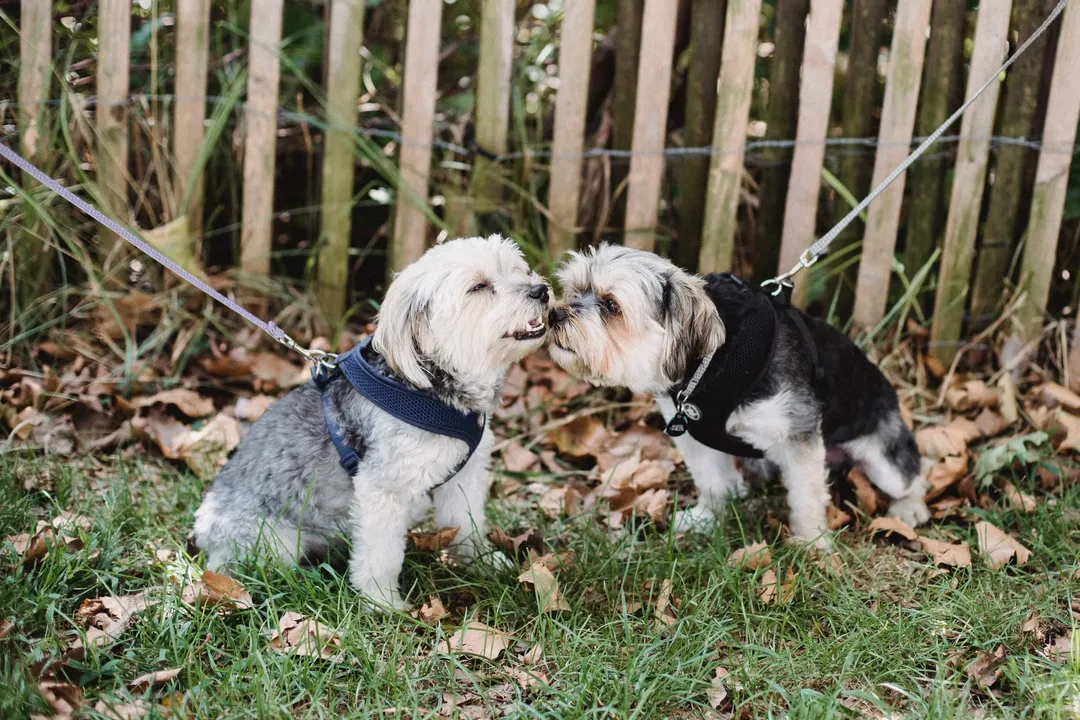
Bringing a new puppy into your home is an exciting journey filled with joy, laughter, and, let's face it, a fair share of challenges. Especially if you already have a four-legged friend who rules the roost. The same goes for introducing your new puppy to a cat.
It's a big change for your first dog, who may not initially be as thrilled about the new addition as the rest of your family. But don't worry, with a little patience and preparation you can help your dogs become the best of pals.
The key to a successful introduction lies in recognizing the needs and personalities of both your new puppy and your older dog. It's not just about throwing them together and hoping for the best. Instead, it's about careful planning and taking steps to ensure both dogs feel safe and comfortable with each other. Remember that dogs, like us, need time to adjust to big changes.
So let's dive into the steps you can take to make the introduction as smooth as possible.
Preparing for the Puppy's Arrival
Before your new puppy sets foot in your home, there are a few important things you need to take care of. It's necessary to ensure that both your newcomer and your resident dog are set up for a positive first meeting.
Health First: Checkups and Shots for Both Dogs
First things first, make sure both your puppy and your older dog are up-to-date on their vaccinations and have been checked for parasites. This is crucial to prevent the spread of diseases and to keep both dogs healthy. A healthy start is a happy start!
Understanding Temperaments
Take a moment to assess your older dog's temperament. Are they easy-going or a bit on the nervous side? How have they reacted to other dogs in the past? Knowing your dog's personality will help you gauge how they might respond to a new puppy and plan the introduction accordingly.
Starting the Friendship with a Sniff
Dogs learn a lot about the world through their noses, so a great way to start the introduction process is by swapping scents between your puppy and your older dog. You can do this by exchanging their bedding or gently rubbing a cloth on one dog and placing it near the other. This helps build familiarity and reduces the surprise factor when they finally meet face-to-face.
The First Meeting
The initial face-to-face meeting between your new puppy and your older dog is a pivotal moment that can set the tone for their future relationship. Here's how you can lay the groundwork for a successful introduction.
Neutral Territory
Choose a neutral location for the first meeting to prevent any territorial behavior from your older dog. A nearby park or a quiet street can serve as a great neutral zone where neither dog feels the need to claim space or resources. This helps reduce tension and makes both dogs more likely to be on their best behavior.
Body Language and Signs
Understanding and responding to the dogs' body language is key during their first meeting. Look for signs of stress or aggression, such as stiff body posture, growling, or baring teeth. On the flip side, relaxed body language, wagging tails, and playful bows are positive signs that the dogs are comfortable with each other. It's important to stay calm and positive yourself, as dogs can pick up on their owner's emotions.
Supervised Interaction
Keep the initial interaction short and sweet. Allow the dogs to sniff each other while keeping both on a loose leash to maintain control if needed. Using barriers like a fence can also be helpful to let them see and smell each other without direct contact. Always supervise these early interactions closely and be ready to intervene if necessary.
Bringing the Puppy Home
After a positive first meeting, it's time to bring the puppy into your home. This part is super important to get right because it's all about making sure both your new puppy and your older dog feel comfortable and happy.
Preparing Your Home
Before the puppy arrives, prepare your home to accommodate both dogs comfortably. Create separate safe spaces where each dog can retreat and relax without feeling invaded by the other. This could mean setting up different rooms or areas with their own beds, toys, and water bowls. If you let your dog sleep in your bed, it's also considered a resource. Managing resources is crucial to prevent guarding behaviors that can lead to conflict.
Slow and Steady
First up, let's take it slow. Begin by letting your puppy explore the yard if you have one. This is a chill way for them to get used to their new digs with less stress. After some sniffing around outside, you can gently introduce them to the inside of your home. Keep these intro sessions short, letting both dogs have space if they need it.
Meeting on Home Turf
Now, when you bring them inside, you want everything to go smoothly. If you have a leash or baby gates, use them to help manage where they can go. This way, they can see and sniff each other without getting too up close and personal right away. When they show signs of comfort and friendliness toward each other, you can allow closer contact.
Give lots of pets and treats when they're being good, so they know this is all a good thing.