
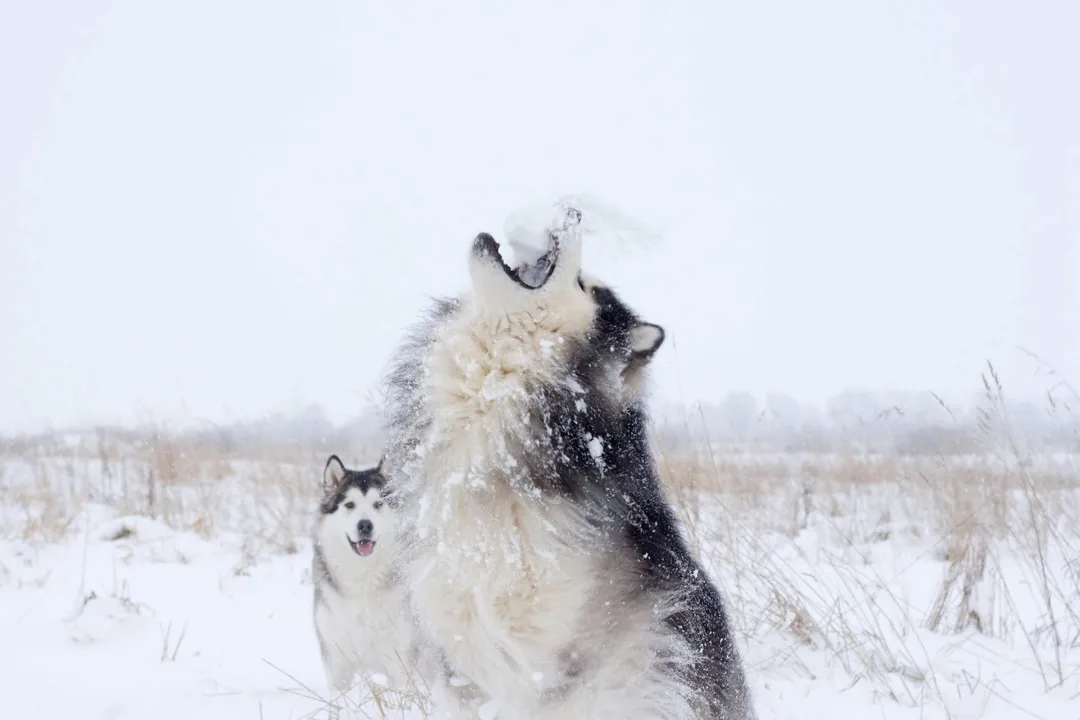
Have you ever heard your dog suddenly start howling and wondered what's going on in their head? It's a sound that can send shivers down your spine, reminding us of spooky movies.
But more importantly, it connects our beloved pets with their wild ancestors, the wolves. In fact, did you know that howling is not just for the movies or stories? It's one of parts of how dogs communicate, just like talking is for us.
Why do they do it? Is it something to worry about? We've got all the answers for you. Let's explore the hows and whys of dog howling and what you can do if your furry friend loves to sing a little too often.
Why Do Dogs Howl?
Dogs howl because they inherited this form of vocal communication from their ancestors, the wolves. Howling for dogs is what posting on social media might be for us – a way to spread a message far and wide. Unlike barking, which is more about immediate alerts or warnings, howling is a long-distance call, connecting them with others and expressing themselves.
Here are the main reasons and causes.
Communication with Others
Imagine your dog is trying to say, "I'm here! Where are you?" That's essentially what they're doing when they howl. It's a way for them to reach out to other dogs or even to you. This behavior dates back to their wolf ancestors, who howled to gather the pack together or to let other packs know where they were.
Expressing Emotions
Dogs are emotional creatures. They feel excitement, anxiety, sadness, and howling is one of their outlets for expressing these feelings. A happy howl might greet you when you come home, while a sad howl could be their way of saying they miss you.
Attention-Seeking Behavior
Dogs are smart. They quickly learn what actions get them attention from their humans. If howling gets them a look, a word, or better yet, a cuddle, they'll use it to communicate their desire for attention.
Response to Environment
Ever noticed your dog howling at sirens or music? That's their ancestral instinct kicking in. High-pitched sounds may trigger your dog's howling behavior, as it mimics the howls they would respond to in the wild.
Indicating Pain or Discomfort
Sometimes, howling is a sign that your dog isn't feeling well. If they're in pain or discomfort, they might howl to tell you that something's wrong, prompting a check-up from the vet.
Separation Anxiety
For some dogs, being away from their owners is tough. They might howl to express their distress and loneliness when you're not around, which is a common symptom of separation anxiety.
Why Some Breeds Howl More Than Others?
In every bark, yip, and howl, there's a bit of history and a lot of personality.
Not all dogs howl the same. Some are born to be vocal, while others rarely let out a howl. Why is that? A lot of it has to do with their breed. Just like people have traits passed down from their families, dogs inherit their howling habits from their ancestors.
Born to Howl
Certain breeds are more prone to howling because of their genetic makeup and the roles their ancestors played. For example, Siberian Huskies and Alaskan Malamutes are known for their vocal nature. This trait was essential in the cold, vast lands they originated from, helping them communicate over long distances.
Then, there are the hounds. Beagles, Coonhounds, and Bloodhounds, to name a few, have howling in their blood. Originally bred for hunting, their howl was a way to signal their human companions about their location and the pursuit of prey.
A Quiet Side
On the flip side, some breeds are less inclined to howl. Breeds like French Bulldogs, Rottweilers, and most toy breeds tend to be quieter in this regard. Their howling might be reserved for very specific situations, if at all, reflecting their breeding history and what was valued in their development.